Factory Warranty vs Extended Auto Warranty: What Car Owners Should Know

Buying a car involves more than choosing the right model and price. Warranty coverage plays a major role in long-term ownership costs. Most new vehicles come with a factory warranty. After that coverage expires, many drivers consider purchasing an extended auto warranty. The two options sound similar, but they function differently. Understanding the distinction helps car owners make informed decisions. Coverage limits, duration, claim procedures, and cost structures vary. Choosing the wrong plan can lead to unexpected expenses. Knowing what each warranty offers ensures protection that matches driving habits and financial priorities.
What a Factory Warranty Covers
A factory warranty, also called a manufacturer’s warranty, comes with a new vehicle. It typically covers defects in materials or workmanship. If a component fails due to a manufacturing error, the automaker pays for repairs within a defined period. Most factory warranties include bumper-to-bumper coverage and powertrain coverage. Bumper-to-bumper protection generally lasts three to five years. Powertrain coverage often extends longer, sometimes up to ten years. These warranties are provided at no additional cost beyond the vehicle purchase price. They follow strict guidelines. Repairs must usually be completed at authorized dealerships. Maintenance requirements must be met to maintain coverage.
What an Extended Auto Warranty Provides

An extended auto warranty is optional coverage purchased separately. It activates either when the factory warranty ends or overlaps with remaining coverage. Despite the name, it is technically a service contract rather than a manufacturer’s guarantee. Extended warranties vary widely. Some mirror factory bumper-to-bumper coverage. Others focus only on specific systems such as the powertrain. The scope depends on the plan selected. These warranties may be offered by dealerships or third-party providers. Deductibles often apply. Coverage terms differ in length and mileage limits. Unlike factory coverage, extended warranties require additional payment. Costs depend on vehicle age, model, and condition.
Key Differences in Coverage and Flexibility
One major difference lies in origin. Factory warranties are backed directly by the automaker. Extended warranties may involve independent companies. This distinction affects repair networks and claim processes. Factory coverage tends to be straightforward. Defects are repaired without negotiation when eligibility criteria are met. Extended plans sometimes require claim approval before work begins. Flexibility also differs. Factory warranties typically require dealership service. Some extended contracts allow repairs at certified independent shops. This can provide more convenience depending on the location. Another difference involves customization. Extended plans offer multiple coverage levels. Car owners can choose protection that aligns with their needs and budget.
Cost Considerations and Financial Planning
Factory warranties are built into the vehicle price. Owners do not pay separately for coverage during the initial term. After expiration, repair costs become the driver’s responsibility. Extended warranties introduce upfront or financed costs. Monthly payment options may be available. Drivers must weigh this expense against potential repair bills. Modern vehicles contain advanced electronics and complex systems. Repair costs can escalate quickly. An extended warranty may reduce financial risk, especially for high-mileage drivers. However, not all drivers benefit equally. Those who trade vehicles frequently may never use extended coverage. Long-term owners with older vehicles may find value in added protection.
When Factory Coverage Is Enough

For drivers who replace vehicles every few years, factory coverage may be sufficient. Most major defects appear early in a car’s life cycle. Manufacturer warranties address these issues. Leased vehicles …


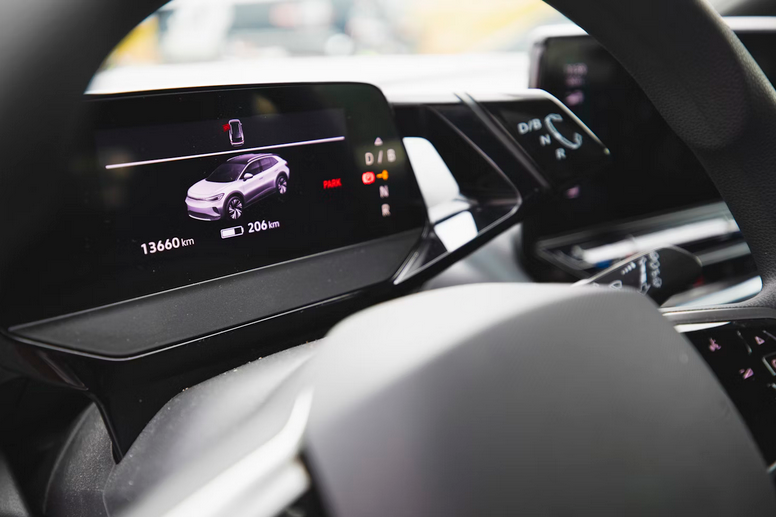


 One of the primary reasons why properly fueling your vehicle is crucial is that it improves fuel efficiency. Using the recommended fuel type and maintaining proper fuel levels can help your car run optimally. When you use the correct octane level recommended by the manufacturer, your engine performs better, improving gas mileage.
 Proper fueling helps to reduce the harmful emissions from your car that can damage the environment. Vehicles that are not fueled correctly can emit excessive amounts of pollutants that contribute to air pollution and can negatively impact our health.

 One of the biggest risks of buying a used car is that you don’t know its history. Unless you purchase a certified pre-owned vehicle, likely, you won’t have access to the car’s full service history. This means that you won’t know if the car has been in any accidents or if it has been adequately maintained.
 Reliability is the biggest gamble when buying a used car. There’s no way of knowing how long the previous owner took good care of it or if they experienced any major problems that were expensive to fix. Even if the car has been regularly serviced and well-maintained, parts can still wear out and break down over time.
 One of the main risks you face when buying a used car is parts availability. If the model you’re interested in is no longer being manufactured, it can be challenging to find replacement parts if something goes wrong. This is especially true for older vehicles. You may also have difficulty finding parts for imported cars.

 ration when you are looking to hire an auto electrician for your vehicle. The auto electrician that you hire should be familiar with repairing the latest models of computerized cars before you entrust them with the responsibility of repairing your car.
 The other way that you can use to establish whether the auto electrician matches what you want is by reading past customer testimonials and the reviews that you encounter. This is one way that you can get a good auto electrician to do the job.

 Comparing various auto repair companies is much easier when done online, than when done offline. With the online option, you have all the information that you need in one place. You can switch between websites to see how much they charge, and how they do their work. You also can see the kinds of equipment that they use without even leaving your home. Therefore, before you even contact them, you already will know what they are likely to offer.








 Maybe a car that you saw online looked good in the pictures, but in real life, it was the absolute opposite. In addition, even if it was beautiful, its drive is not as smooth as you wanted. To give you an idea, the dealer is the person that is responsible for selling the vehicle. Hence, it is safe to assume that the dealer would have absolute knowledge of every car. In addition, dealers can offer the type of car that would fit your budget. Most importantly, you can test-drive the vehicle if you visit the auto dealership. After all, nothing is better than having a feeling of an item.