Skip to content
ronsmodelengines

RM Auto News

Powering the future

Menu
  • Home
  • Vehicle Repairs
  • Trailer
  • Auctions
  • Who we Are
  • Say Hello

Tag: auto

Factory Warranty vs Extended Auto Warranty: What Car Owners Should Know

No Comments
| Auto
car warranty

Buying a car involves more than choosing the right model and price. Warranty coverage plays a major role in long-term ownership costs. Most new vehicles come with a factory warranty. After that coverage expires, many drivers consider purchasing an extended auto warranty. The two options sound similar, but they function differently. Understanding the distinction helps car owners make informed decisions. Coverage limits, duration, claim procedures, and cost structures vary. Choosing the wrong plan can lead to unexpected expenses. Knowing what each warranty offers ensures protection that matches driving habits and financial priorities.

What a Factory Warranty Covers

A factory warranty, also called a manufacturer’s warranty, comes with a new vehicle. It typically covers defects in materials or workmanship. If a component fails due to a manufacturing error, the automaker pays for repairs within a defined period. Most factory warranties include bumper-to-bumper coverage and powertrain coverage. Bumper-to-bumper protection generally lasts three to five years. Powertrain coverage often extends longer, sometimes up to ten years. These warranties are provided at no additional cost beyond the vehicle purchase price. They follow strict guidelines. Repairs must usually be completed at authorized dealerships. Maintenance requirements must be met to maintain coverage.

What an Extended Auto Warranty Provides

An extended auto warranty is optional coverage purchased separately. It activates either when the factory warranty ends or overlaps with remaining coverage. Despite the name, it is technically a service contract rather than a manufacturer’s guarantee. Extended warranties vary widely. Some mirror factory bumper-to-bumper coverage. Others focus only on specific systems such as the powertrain. The scope depends on the plan selected. These warranties may be offered by dealerships or third-party providers. Deductibles often apply. Coverage terms differ in length and mileage limits. Unlike factory coverage, extended warranties require additional payment. Costs depend on vehicle age, model, and condition.

Key Differences in Coverage and Flexibility

One major difference lies in origin. Factory warranties are backed directly by the automaker. Extended warranties may involve independent companies. This distinction affects repair networks and claim processes. Factory coverage tends to be straightforward. Defects are repaired without negotiation when eligibility criteria are met. Extended plans sometimes require claim approval before work begins. Flexibility also differs. Factory warranties typically require dealership service. Some extended contracts allow repairs at certified independent shops. This can provide more convenience depending on the location. Another difference involves customization. Extended plans offer multiple coverage levels. Car owners can choose protection that aligns with their needs and budget.

Cost Considerations and Financial Planning

Factory warranties are built into the vehicle price. Owners do not pay separately for coverage during the initial term. After expiration, repair costs become the driver’s responsibility. Extended warranties introduce upfront or financed costs. Monthly payment options may be available. Drivers must weigh this expense against potential repair bills. Modern vehicles contain advanced electronics and complex systems. Repair costs can escalate quickly. An extended warranty may reduce financial risk, especially for high-mileage drivers. However, not all drivers benefit equally. Those who trade vehicles frequently may never use extended coverage. Long-term owners with older vehicles may find value in added protection.

When Factory Coverage Is Enough

For drivers who replace vehicles every few years, factory coverage may be sufficient. Most major defects appear early in a car’s life cycle. Manufacturer warranties address these issues. Leased vehicles …


Read More »

The Benefits of Hybrid Cars for Long-Distance Commuters

No Comments
| Auto

Long-distance commuting can be stressful, expensive, and time-consuming, especially when relying on traditional gasoline-powered vehicles. Rising fuel costs, traffic congestion, and environmental concerns have made many drivers explore more efficient alternatives. Hybrid cars, which combine an internal combustion engine with an electric motor, have emerged as a practical solution for daily commuters covering extended distances. Their efficiency, adaptability, and lower operational costs make them an attractive choice. Many commuters who switch to hybrid vehicles notice a tangible difference in fuel savings and comfort during long journeys. By understanding the specific advantages of hybrid cars, drivers can make informed decisions that improve travel efficiency, reduce costs, and promote sustainability. This article explores key benefits that make hybrids ideal for long-distance commuting.

Significant Fuel Savings

One of the most compelling advantages of hybrid cars is their ability to conserve fuel. By combining gasoline engines with electric motors, hybrids optimize energy use and reduce fuel consumption, particularly in stop-and-go traffic or highway driving. Long-distance commuters benefit the most, as the reduced fuel usage translates to substantial cost savings over time. Unlike conventional vehicles that rely solely on gasoline, hybrids can switch seamlessly between electric and fuel-powered operation. This dual system allows drivers to travel further on less fuel, minimizing refueling stops and making extended journeys more economical. The combination of energy efficiency and longer travel range makes hybrids an appealing option for those covering hundreds of miles regularly.

Reduced Environmental Impact

Hybrid cars contribute to lower emissions compared to traditional vehicles. Long-distance driving with gasoline-powered cars produces significant carbon dioxide, nitrogen oxides, and other pollutants. Hybrids reduce these emissions by using electric motors during low-speed driving and improving fuel efficiency on highways. Commuters who prioritize environmental responsibility can benefit from hybrid vehicles, as they help decrease air pollution and carbon footprint. Reduced emissions also align with increasingly stringent environmental regulations and emission standards, making hybrids a future-proof choice for conscientious drivers. Adopting a hybrid car promotes cleaner travel and demonstrates a commitment to sustainable commuting practices over long distances.

Access to Incentives and Cost Benefits

Hybrid vehicles often qualify for government incentives, tax credits, or reduced toll fees, which can make long-distance commuting more affordable. These financial advantages may vary by region, but they generally offset initial vehicle costs and reduce ongoing operational expenses. In addition to fuel savings, incentives such as lower registration fees or preferred parking in certain areas increase overall affordability. Commuters can use these benefits to make hybrid ownership financially advantageous, especially for frequent travelers. Over time, these advantages combine with reduced maintenance costs, creating a compelling value proposition for hybrid drivers covering long distances.

Enhanced Comfort and Smooth Driving

Long-distance commuting can be tiring, but hybrid vehicles offer enhanced comfort and a quieter driving experience. Electric motors produce less noise and vibration compared to traditional engines, especially at lower speeds or during idling. This results in a smoother ride, reducing fatigue over extended journeys. Many hybrid cars also incorporate regenerative braking systems that allow for gentler deceleration, further improving driving comfort. For commuters who spend hours on highways or in urban traffic, these features contribute to a more relaxed experience. The combination of efficient energy use and ergonomic design ensures that drivers can maintain focus and comfort, even during lengthy trips.

Lower Maintenance Requirements

Hybrid cars often experience …

Read More »

The High-Tech Features of Today’s Electric Cars

No Comments
| Auto
tesla

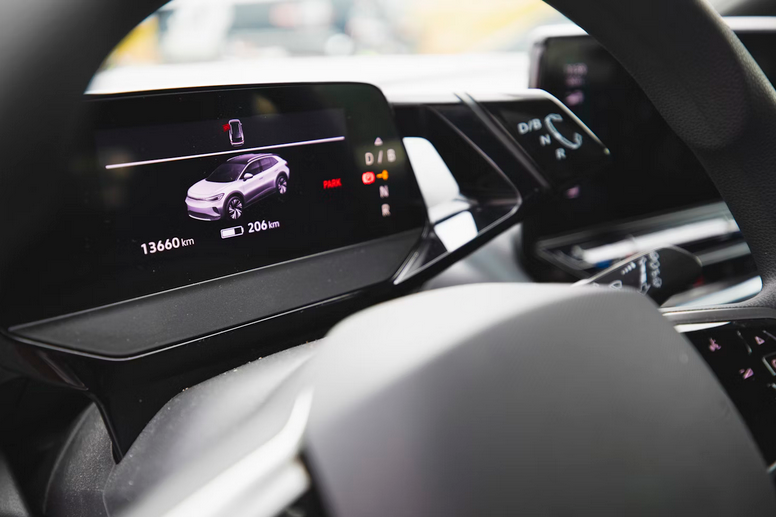
Electric cars have come a long way from being just an eco-friendly alternative to traditional vehicles. Today, they are packed with high-tech features that enhance safety, convenience, and overall driving experience. As technology continues to evolve at lightning speed, the electric car industry is keeping pace by integrating cutting-edge innovations into their designs. From advanced driver-assistance systems to smart infotainment solutions, these vehicles are not only about going green—they’re about embracing the future of driving. Buckle up as we explore some of the most exciting tech advancements in today’s electric cars.

Advanced Driver-Assistance Systems

Advanced Driver-Assistance Systems (ADAS) are changing how we think about safety on the road. These innovative technologies help drivers navigate complex situations with confidence and ease. Imagine your car automatically detecting potential hazards, such as pedestrians or other vehicles. Features like automatic emergency braking and lane-keeping assist work together to provide an extra layer of protection. Adaptive cruise control takes it a step further by adjusting your speed based on traffic conditions. This means less stress during long drives and more focus on enjoying the journey.

Over-the-Air (OTA) Software Updates

software

Over-the-Air (OTA) software updates have revolutionized the way electric cars enhance their performance. Rather than visiting a dealership, drivers can receive crucial updates right at home. This convenience keeps vehicles equipped with the latest technology. Imagine waking up to improved navigation or new features without lifting a finger. These updates can optimize battery life, increase range, and even improve acceleration. The seamless nature of OTA updates means that manufacturers can quickly address bugs and security issues too. Moreover, automakers often use this technology to roll out new functionalities after purchase.

Smart Infotainment Systems

Smart infotainment systems have revolutionized the in-car experience. They seamlessly blend entertainment, navigation, and connectivity into a single interface. Drivers can access music streaming services, podcasts, and audiobooks with just a few taps. Voice control has made it even easier to choose your favorite tracks or get directions without taking your hands off the wheel. Navigation features are often enhanced with real-time traffic data. This allows for quicker route adjustments, ensuring you reach your destination efficiently.

Battery Management Systems

battery

Battery Management Systems (BMS) are a crucial component of modern electric vehicles. They ensure that the battery operates safely and efficiently, extending its lifespan. These systems monitor various parameters like voltage, temperature, and state of charge. By analyzing this data, a BMS can prevent overcharging or excessive discharging. This protection enhances both performance and safety. Moreover, advanced BMS technology enables real-time diagnostics. Drivers can receive updates on battery health through their infotainment system or mobile apps.

The world of electric cars is evolving rapidly, showcasing impressive technological advancements that enhance the driving experience. From advanced driver-assistance systems that make road safety a priority to over-the-air updates that keep vehicles up-to-date without needing a garage visit, these features are redefining what we expect from automobiles. These high-tech features not only improve functionality but also shape the future of transportation in an eco-friendly way. As technology continues to advance, we can anticipate even more innovations in the realm of electric vehicles. The shift towards greener alternatives seems promising as they become increasingly accessible and smarter than ever before. Embracing these changes will pave the way for sustainable driving experiences while keeping us connected and safe on …

Read More »

Why Fueling Your Vehicle Properly Matters More Than You Think

No Comments
| Auto
fueling a car

Proper fueling is essential to keep your vehicle running smoothly and efficiently. Unfortunately, many drivers do not realize the importance of fueling their vehicles correctly. This article will discuss the top four reasons why properly fueling your car matters more than you might think.

Improved Fuel Efficiency

car pump fuelingOne of the primary reasons why properly fueling your vehicle is crucial is that it improves fuel efficiency. Using the recommended fuel type and maintaining proper fuel levels can help your car run optimally. When you use the correct octane level recommended by the manufacturer, your engine performs better, improving gas mileage.

The right fuel type also helps how the engine burns fuel, reducing emissions and carbon build-up. When you follow the recommended fuel type, your car’s engine runs cooler, keeping your fuel system clean.

Avoid Damage to Your Engine

Filling up with the wrong type of fuel can cause significant damage to your engine. If your car requires gasoline, filling it with diesel fuel will cause the engine to stop working. On the other hand, if your vehicle requires diesel fuel, filling it with gasoline can cause severe engine damage. It’s important to read the owner’s manual for the recommended fuel type. Using a different fuel type leads to engine damage, which can result in costly repairs and even complete engine replacement.

Reduced Emissions

car engineProper fueling helps to reduce the harmful emissions from your car that can damage the environment. Vehicles that are not fueled correctly can emit excessive amounts of pollutants that contribute to air pollution and can negatively impact our health.

When you use the right fuel type, it reduces greenhouse gas emissions that harm the environment. If your car requires premium fuel, regular gas causes the engine to knock due to the different combustion chamber design.

Avoid Safety Hazards

A vehicle that is not fueled correctly can cause safety hazards while driving. Running out of fuel on a busy highway or in the middle of traffic can be dangerous and potentially lead to accidents. Additionally, using the wrong fuel type can cause the engine to fail while driving, which can be disastrous. When the fuel level drops below the fuel pump’s reservoir, the pump doesn’t receive enough fuel for lubrication, causing the fuel pump to overheat.car pump fueling

Properly fueling your vehicle is essential for maintaining its optimal performance and avoiding costly repairs. Improved fuel efficiency, avoiding engine damage, reducing emissions, and avoiding safety hazards are just a few of the reasons why following the recommended fuel type and maintaining proper fuel levels is crucial.…

Read More »

Common Risks Involved in Buying a Used Car

No Comments
| Auto
car key

If you’re thinking about buying a used car, you need to be aware of the risks. There are many dangers associated with purchasing a used vehicle, and if you’re not careful, you could end up in a lot of trouble. This blog post will discuss some of the most common risks involved in buying a used car. We’ll also provide tips on avoiding these risks and protecting yourself during the purchase process.

Vehicle History

dealerOne of the biggest risks of buying a used car is that you don’t know its history. Unless you purchase a certified pre-owned vehicle, likely, you won’t have access to the car’s full service history. This means that you won’t know if the car has been in any accidents or if it has been adequately maintained.

Without this information, it’s difficult to predict how long the vehicle will last or what kind of problems you might encounter down the road. Another risk associated with buying a used car is that you don’t know what kind of shape it’s in. Even if the car has been well-maintained, there’s no guarantee that it won’t have any hidden problems.

Reliability

dealershipReliability is the biggest gamble when buying a used car. There’s no way of knowing how long the previous owner took good care of it or if they experienced any major problems that were expensive to fix. Even if the car has been regularly serviced and well-maintained, parts can still wear out and break down over time.

The best way to gauge a car’s reliability is to research its common problems and see how expensive they are to fix. You can also check the vehicle’s history report to see if it has been in any accidents or had any major repairs done. Another thing to remember is that older cars may not have the same safety features as newer models.

Model and Parts Availability

car modelOne of the main risks you face when buying a used car is parts availability. If the model you’re interested in is no longer being manufactured, it can be challenging to find replacement parts if something goes wrong. This is especially true for older vehicles. You may also have difficulty finding parts for imported cars.



Another risk is that the car you’re interested in may have been in an accident. This could mean that parts of the car are not original and may not meet safety standards. If you’re buying a used car from a dealer, they should be able to tell you if the vehicle has been in an accident. However, if you’re buying from a private seller, it’s more difficult to know.

Warranty

One of the risks involved in buying a used car is that it may not come with a warranty. If something goes wrong with the car, you will have to pay for the repairs yourself. Some extended warranties are available for purchase, but they can be expensive. If the car has been in a severe accident, it may have hidden damage that could cause problems down the road. Even if the vehicle has been in a minor accident, it may have damage that will affect its resale value.

It is crucial to have a mechanic inspect the car before you buy it to ensure that there is no hidden damage. …

Read More »

The Best Way to Buy an Automobile

No Comments
| Auto
bmw car

When you are buying an automobile, there are fundamental factors you must consider in order to find the best deal that you will never regret. You need to understand that the process of buying an automobile is extremely frustrating especially when you are purchasing the automobile for the first time.

No one will ever want to waste any amount of money on an automobile that is up to the required standards. The following content will help you save your money, and probably reduce the stress that is involved in the process of purchasing an automobile. Always consider the following important tips for buying an automobile.

Do Your Research

When you plan to buy an automobile, doing research is the most important thing you should think in the first place. You should at least have a clue of the automobile you are buying because there are many things you should relate to when you are with the dealer.

You can do your research on the internet where you will find all the information you need about a particular automobile that you intend to buy. Your research should be based on the price, brands and the trends in the current automobile market. This data will help you in making the right decision and major bargaining power when you visit a dealer.

budget

Set Your Budget

When you are planning to buy an automobile, for example, a car, you need to set a budget. It is important to know how much you will be spending on the car you want to buy. Your budget should include the related documents for ownership of the car.

The additional expenses may include the insurance and the registration fees. Your budget should be realistic and should not limit you to a cheap or substandard automobile. Lastly, when you plan on your budget, you need to understand the features of the automobile you intend to buy such that you can be prepared financially for that specific brand.

Check the Cost of Repair and Maintenance

It is important to know the cost of the parts of the car in case you need them. Ensure that your automobile parts are easily available in the local auto shops. On the other hand, the maintenance of the automobile should give you peace of mind. If you are buying the automobile from a dealer outside your state, ensure that it can be maintained properly in your country.

You should check if an automobile assembly firm for the brand that you are buying is available in your country to avoid expenses related to exporting spare parts, which will cost you.

driving

Take a Test Drive and Inspection

When you are buying an automobile, such as a new car, you need to take a test drive to find out how it looks like. The test drive will give you the opportunity to know if the car fits you or the purpose that you intend to use the car for. On the other hand, an inspection will let you know if the automobile you are buying is damaged anywhere before t is handed over to you.…

Read More »

Follow

  • facebook
  • x

truck

Latest Posts

  • Factory Warranty vs Extended Auto Warranty: What Car Owners Should Know
  • The Benefits of Hybrid Cars for Long-Distance Commuters
  • The High-Tech Features of Today’s Electric Cars
  • Maximizing Fuel Efficiency: Best Ways to Save Money at the Pump
  • Why Fueling Your Vehicle Properly Matters More Than You Think

Cars

Pages

  • Privacy Policy
  • Say Hello
  • Terms of Service
  • Vehicle Repairs
  • Who we Are

motorbike

RM Auto News 2026 . Powered by WordPress

Terms and Conditions - Privacy Policy